THE LAYER
A thin shield, high up
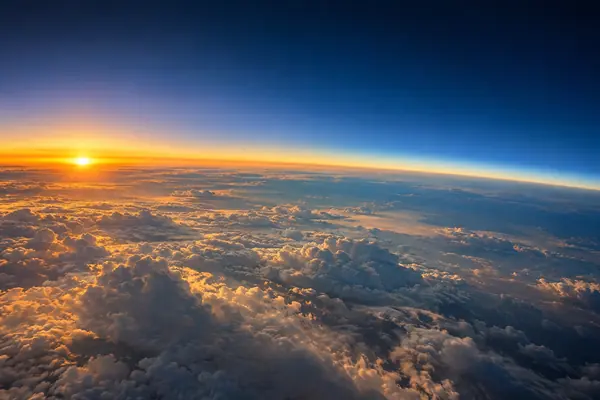
Defra says 90% of the planet's ozone is in the ozone layer, in the lower stratosphere about 20 to 25 km above sea level, where it filters the sun's UV.
See the numbers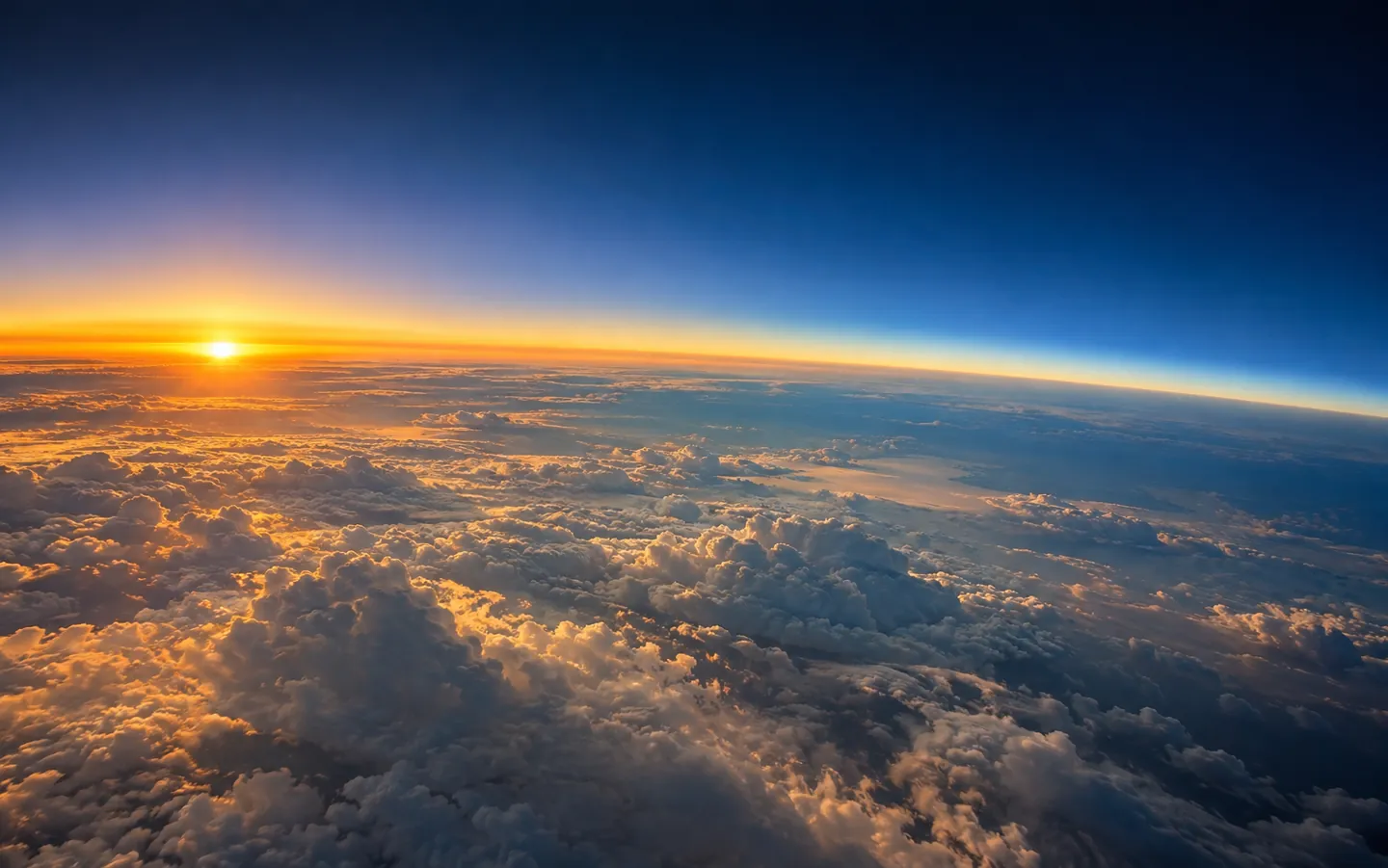
 doodlelayer
WHAT THE SCIENCE SAYS
1987 the year the world agreed
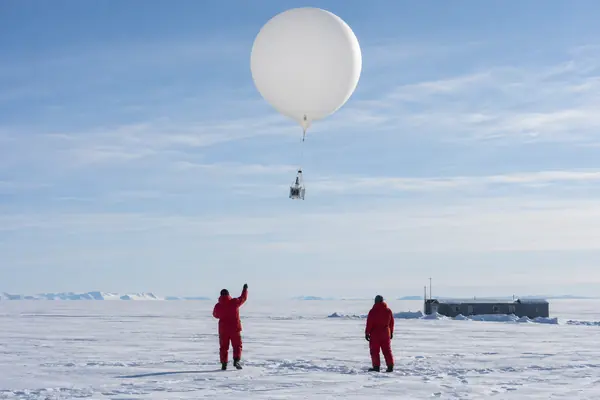
High above the weather, a thin layer of gas filters the sun.
Chemicals made on the ground thinned it, and a hole opened over Antarctica. Since 1987 the world has phased them out, and UN scientists now expect the ozone layer to recover within decades.
Updated
Check a regionTHE SHORT ANSWER
The ozone layer filters harmful ultraviolet light.
A treaty removed the chemicals that damaged it.
THE LAYER
Defra says 90% of the planet's ozone is in the ozone layer, in the lower stratosphere about 20 to 25 km above sea level, where it filters the sun's UV.
See the numbersTHE HOLE
The 2025 Antarctic ozone hole was about 30% smaller than the largest ever observed, in 2006, and closed on 1 December, the earliest since 2019, says the WMO.
Check a regionUV
The WMO says recovery is expected to significantly reduce risks of skin cancer, cataracts and ecosystem damage from excessive UV.
The treatyA QUICK REGION CHECK
Pick a region to see when UN scientists expect ozone to return to 1980 values, before the ozone hole appeared. The bar shows how long the wait is.
Projections from the 2022 Scientific Assessment of Ozone Depletion, as reported by UNEP (January 2023) and the WMO (2025), assuming current policies stay in place.
TWO NUMBERS WORTH KNOWING
One figure on how little ozone there is,
one on how much of the damage has been stopped.
90%
Share of Earth's ozone in the ozone layer
Ozone is rare: Defra says there are only 3 molecules of ozone for every ten million air molecules. Most of it, 90%, sits in the ozone layer about 20 to 25 km up.
THE LAYER · DEFRA
> 99%
Controlled ozone-depleting substances phased out
The WMO says the Montreal Protocol has phased out over 99% of the production and consumption of controlled ozone-depleting substances.
PHASE-OUT · WMO
The WMO reports that levels of ozone-depleting substances in the Antarctic stratosphere have fallen by about a third relative to pre-ozone-hole levels since peaking around 2000.
HOW THE LAYER WORKS
The ozone layer sits in the stratosphere, well above the clouds and weather. Here is how Defra describes it, step by step.
The region of the atmosphere between 10 and 50 km above the Earth's surface.
Ultraviolet light at 180 to 240 nanometres is absorbed by oxygen molecules and breaks them apart.
Defra calls stratospheric ozone "good" ozone: a naturally occurring gas that shields the Earth from UV light.
Ozone strongly absorbs a different range of ultraviolet, at 290 to 300 nanometres, before it reaches the ground.
THE MONTREAL PROTOCOL
The Montreal Protocol was signed in 1987 and entered into force in 1989, says the UNEP Ozone Secretariat. It phases out both the production and consumption of ozone-depleting substances.
Its 2016 Kigali Amendment called for a phase-down of hydrofluorocarbons (HFCs), which replaced ozone-depleting substances but add to climate change. UNEP says it is estimated to avoid 0.3 to 0.5°C of warming by 2100.
Questions
A band of ozone gas in the lower stratosphere, about 20 to 25 km above sea level, that filters the sun's ultraviolet radiation. Defra says it holds 90% of the planet's ozone.
Yes, over the long term. The WMO says the 2025 Antarctic ozone hole was about 30% smaller than the largest ever observed in 2006, and closed on 1 December, the earliest since 2019.
The 2022 scientific assessment expects a return to 1980 values by around 2040 for most of the world, 2045 over the Arctic and around 2066 over the Antarctic, if current policies remain.
Ozone-depleting substances controlled by the Montreal Protocol. The WMO says over 99% of their production and consumption has now been phased out.
The ozone layer filters UV. The WMO says its recovery is expected to significantly reduce risks of skin cancer, cataracts and ecosystem damage from excessive UV exposure.
Sources
ABOUT THIS NAME
doodlelayer.com is part of the DoodleSale portfolio. It isn't in an auction right now, but you can ask about leasing it.